
The Thrill of Risk: Understanding High-Stakes Gambling
High-stakes casino games are often associated with an adrenaline rush that draws in players from all walks of life. At the heart of this phenomenon lies the psychology of risk-taking, where individuals are willing to bet significant amounts of money in hopes of winning big. This thrill can create a powerful emotional response, often leading players to lose track of their rational decision-making processes. The allure of potential rewards becomes overwhelming, prompting bettors to engage in behaviors they may otherwise avoid in less risky environments. As fresh options emerge, players are increasingly turning to betting apps california to place their wagers more conveniently.
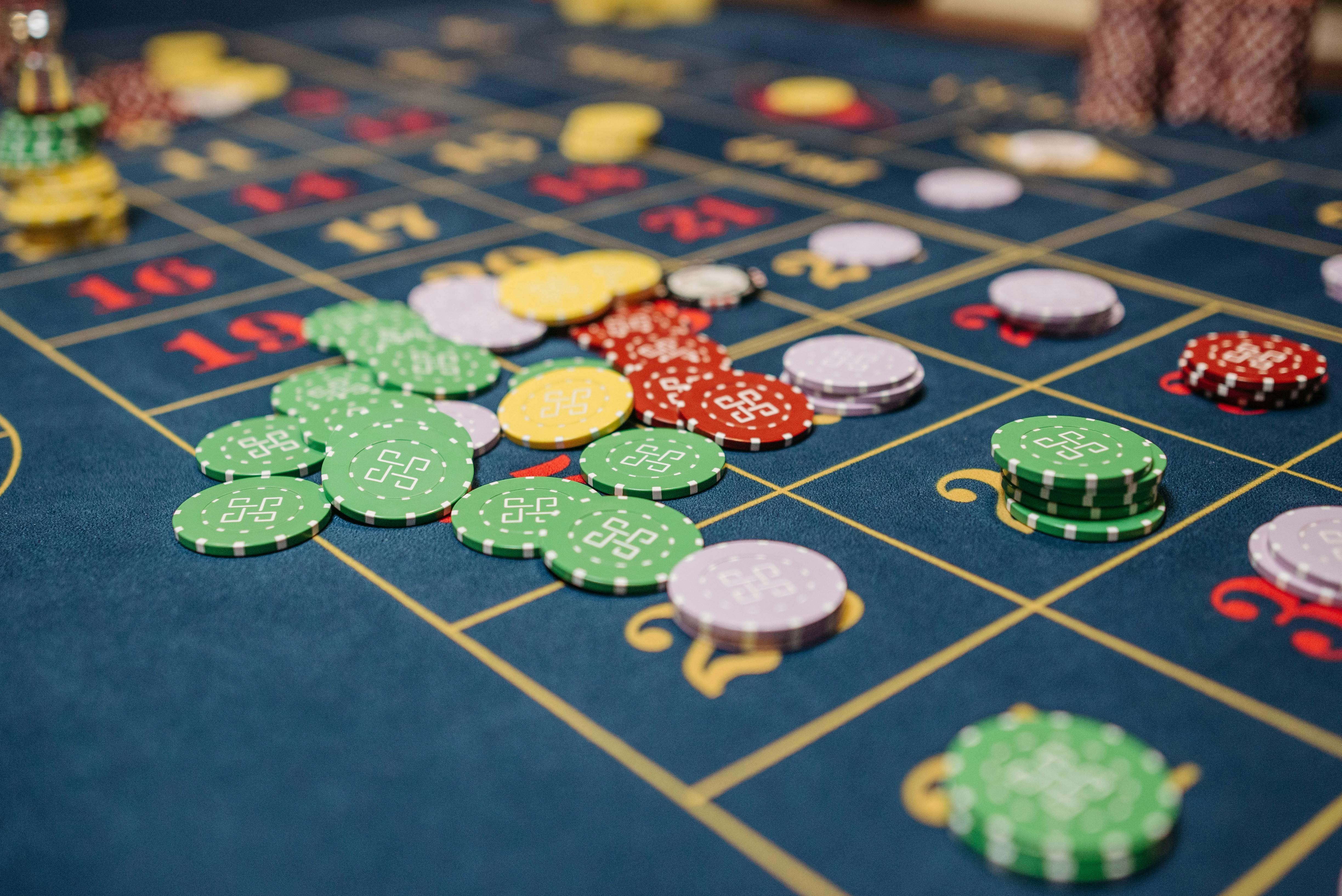
The environment itself also plays a crucial role in enhancing this experience. The ambiance of a casino, characterized by bright lights, sounds of chatter, and the clinking of chips, creates an immersive setting that stimulates excitement and anticipation. Even the layout of the gaming floor encourages players to explore various high-stakes options, further compounding their desire to participate in these thrilling games.
The Role of Cognitive Biases in Gambling Behavior
Cognitive biases significantly influence how players perceive their chances of winning in high-stakes casino games. Common biases, such as the gambler’s fallacy, lead individuals to believe that past outcomes affect future results, causing them to chase losses or double down on their bets despite unfavorable odds. This flawed thinking can encourage players to engage in riskier betting strategies, often resulting in substantial financial losses over time.
Moreover, the illusion of control is another cognitive bias that plays a crucial role in gambling psychology. Players often believe they can influence the outcome of games through their skills or decision-making, even in games of pure chance. This belief can lead to an increased investment of time and money as players attempt to assert their control over outcomes that are predominantly random.
The Emotional Rollercoaster of Winning and Losing
Winning in high-stakes casino games elicits a rush of positive emotions, such as joy and exhilaration, reinforcing the desire to gamble further. Players often experience a surge of dopamine when they win, a neurotransmitter associated with pleasure and reward, which can create a feedback loop that draws them back to the tables. This addictive element of winning can overshadow the more sobering experiences of losing, leading to cycles of problematic behavior in gamblers.
Conversely, losing can evoke feelings of frustration, anger, and disappointment. This emotional fallout can lead players to make impulsive decisions, such as increasing their bets in an attempt to recoup losses. Understanding this emotional rollercoaster is crucial for recognizing how deeply intertwined psychology is with gambling behavior, influencing everything from decision-making to financial management.
The Social Dynamics of High-Stakes Gambling
High-stakes casino games are not only individual endeavors but also social activities that can influence psychological outcomes. The presence of other players can create a competitive atmosphere, where the social dynamics of winning and losing become magnified. Gamblers often experience social reinforcement, where group dynamics can lead to riskier behaviors in pursuit of admiration or status among peers.
Additionally, the camaraderie that develops in such environments can enhance the thrill of gambling. Players may form relationships based on shared experiences at the tables, further embedding them into the gambling culture. This social aspect can lead to increased participation in high-stakes games, not solely for financial gain but also for social connection and validation.

Responsible Gambling in the High-Stakes Arena
While the psychology behind high-stakes gambling can be enticing, it is vital to approach these activities with a mindset focused on responsible gambling. Understanding the psychological triggers that lead to excessive betting is crucial for maintaining control. Bettors should be aware of their limits and recognize the emotional influences that can drive impulsive decisions.
At our website, we emphasize the importance of informed gambling practices and provide resources to help individuals navigate the exciting yet challenging world of high-stakes betting. Whether experienced or new, players can find guidance on how to enjoy the thrill of high-stakes games responsibly, ensuring a safer and more enjoyable experience in the vibrant landscape of casino gaming.